Artificial intelligence is creating new possibilities across almost every industry, but the real value of the technology appears when it becomes part of everyday operations.
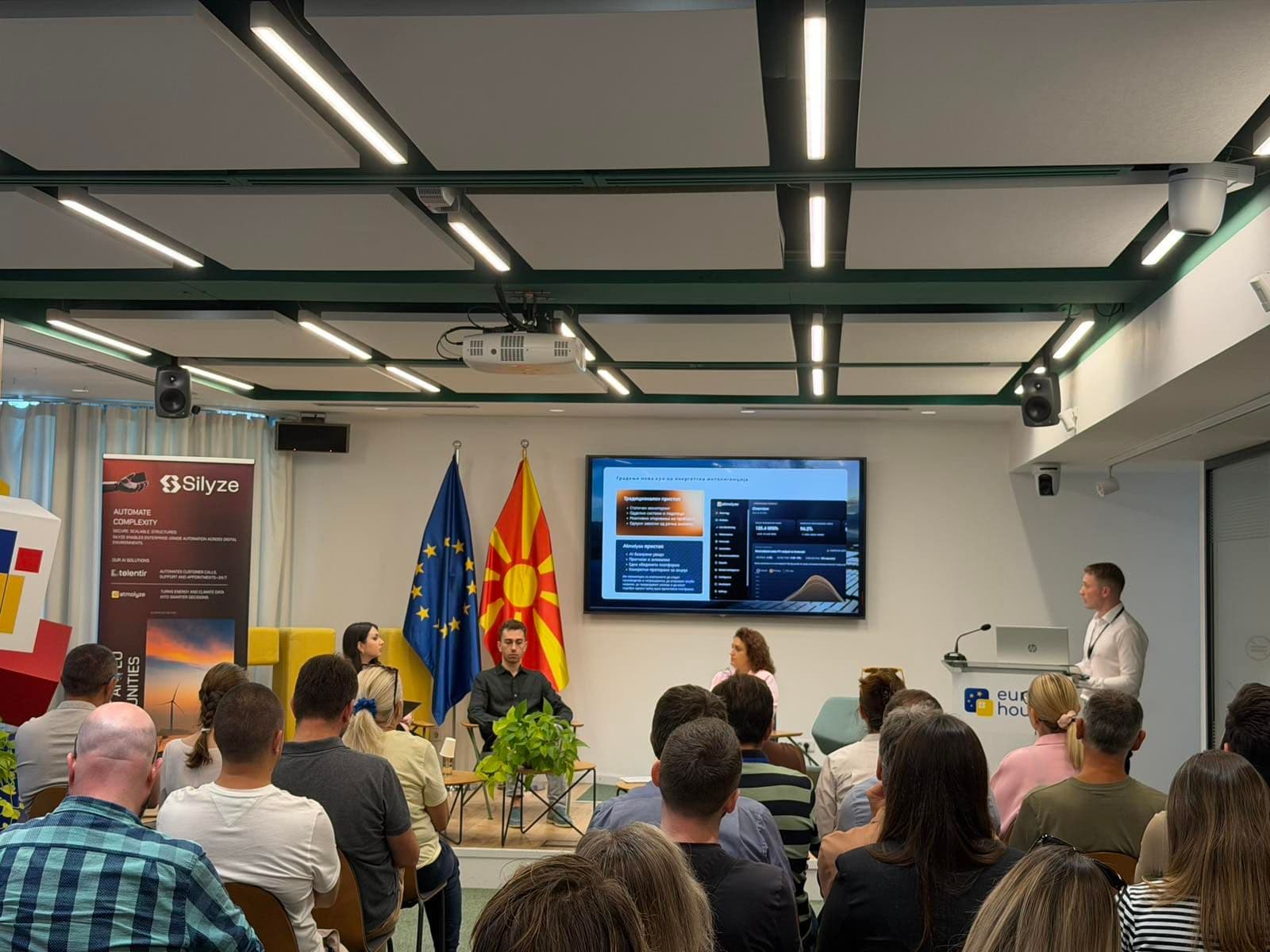
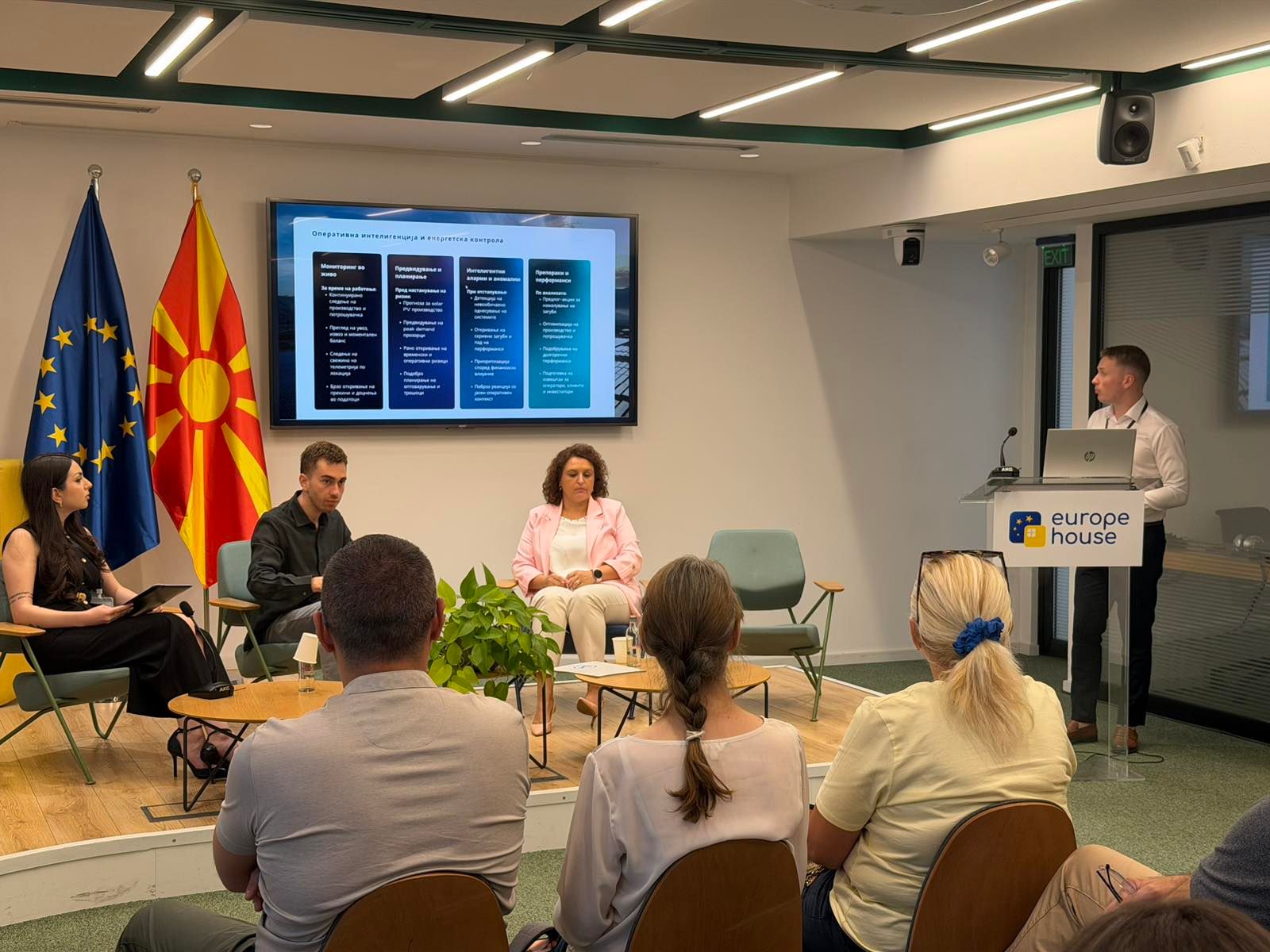
That was one of the central messages behind Silyze’s presentation of Telentir and Atmolyze during the “Resilient AI & EU Opportunities” event at Europe House Skopje on July 29, 2026.
The two platforms represent different areas of artificial intelligence, but they share the same objective: helping organizations transform complex processes into systems that are more intelligent, efficient and easier to manage.
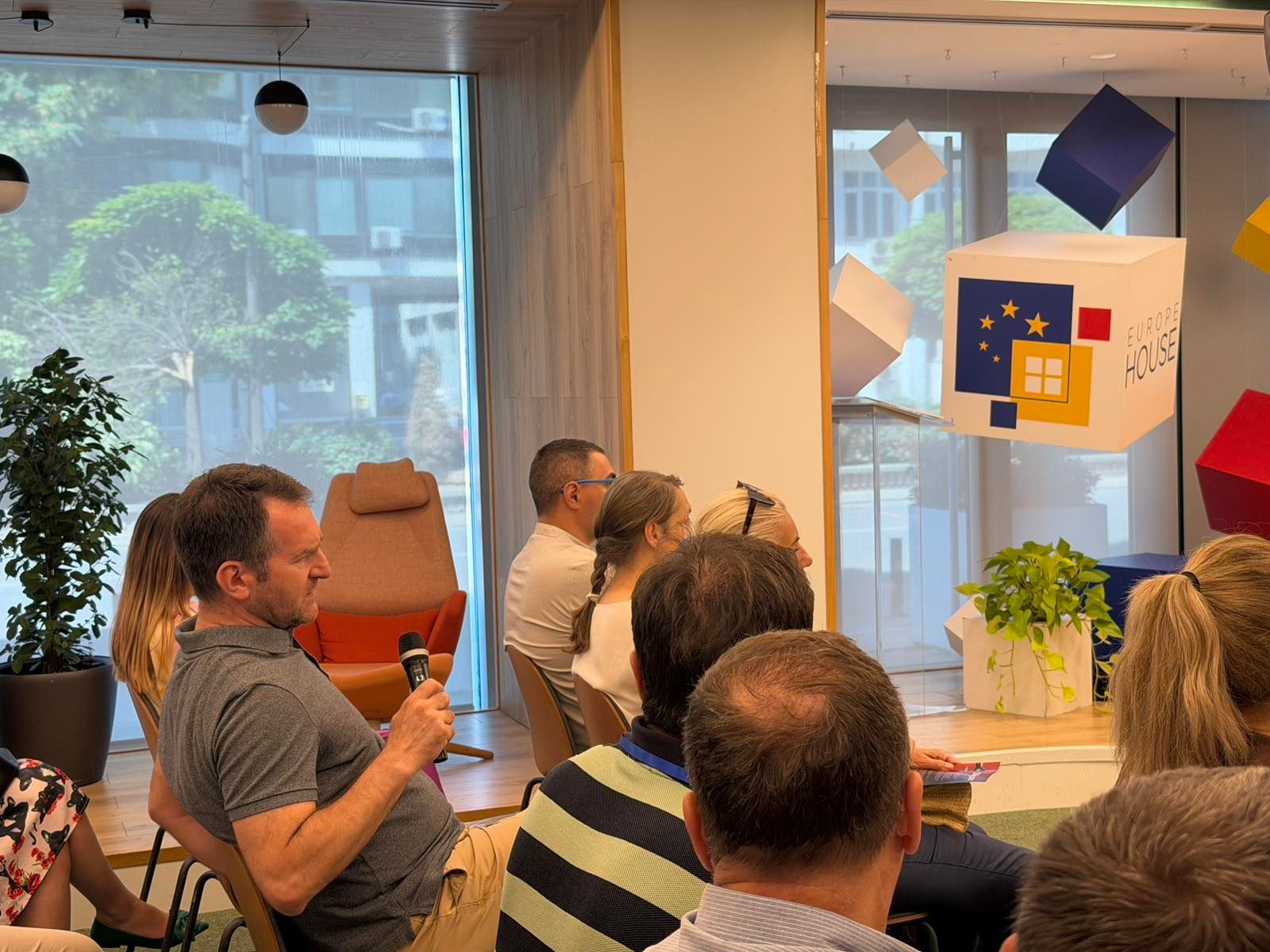
The presentation was attended by representatives from government institutions, the energy sector, academia, public organizations and private companies, creating an opportunity to discuss how AI technologies can be implemented across both public and commercial environments.
Telentir: AI-Powered Communication Infrastructure
The first platform presented was Telentir, Silyze’s AI voice platform for automating and improving communication between organizations and the people they serve.
Organizations today manage large volumes of repetitive communication through phone calls, customer-support teams, administrative departments and contact centers.
Many of these interactions follow predictable patterns: answering frequently asked questions, collecting information, providing status updates, scheduling appointments, routing calls or directing users to the appropriate department.
Telentir is designed to automate these interactions through AI-powered voice agents.
The platform can handle inbound and outbound conversations, integrate with existing software and communication infrastructure, retrieve information from organizational knowledge bases and transfer more complex cases to human operators when necessary.
Rather than functioning as a standalone chatbot or isolated AI tool, Telentir is designed to become part of an organization’s existing communication workflow.
Potential applications include customer support, appointment scheduling, service notifications, lead qualification, administrative communication and citizen-facing services.
Voice AI for the Local Market
One of the most important areas of Telentir’s development is support for the Macedonian language.
Many of the most advanced commercial AI voice systems have historically focused on larger global languages, limiting their practical use within smaller markets.
For businesses and public institutions in North Macedonia, language support is therefore not simply a convenience. It is a fundamental requirement for wider adoption.
Silyze is working toward making AI voice technology usable within local environments while also supporting deployment models that can meet the security, infrastructure and privacy requirements of organizations handling sensitive information.
This includes exploring both cloud-based and locally hosted deployments depending on the operational requirements of each organization.
Atmolyze: Turning Operational Data Into Intelligence
The second platform presented during the event was Atmolyze, Silyze’s climate, energy and operational intelligence platform.
Modern energy systems generate enormous quantities of information.
Solar installations, smart meters, weather systems, electricity consumption, tariffs, operational equipment and infrastructure monitoring systems continuously produce data.
The challenge is no longer simply collecting this information.
The challenge is understanding what it means and acting on it quickly enough to improve operations.
Atmolyze is designed to bring information from multiple sources into a unified environment where artificial intelligence can help organizations analyze conditions, identify unusual behavior, forecast future performance and generate actionable recommendations.
From Monitoring to Decision-Making
Traditional monitoring platforms are often designed to show what is happening.
Atmolyze is being developed to help organizations understand why it is happening, what may happen next and what actions may be worth considering.
The platform can support capabilities such as:
- real-time operational monitoring
- energy production and consumption analysis
- anomaly detection
- forecasting
- weather and climate intelligence
- automated reporting
- performance optimization
- AI-assisted recommendations
For solar energy operators, for example, a drop in production could be caused by multiple factors: weather conditions, equipment issues, shading, degradation or another operational problem.
A traditional dashboard may show that production has decreased.
An intelligent system should help determine why.
This transition from visualization toward interpretation is one of the core ideas behind Atmolyze.
Building Interoperable Systems
Another key part of the presentation focused on interoperability.
Many organizations already operate multiple software platforms, databases, monitoring systems and communication channels.
Introducing artificial intelligence should not require replacing all of them.
Instead, AI can create greater value when it connects with existing infrastructure and provides an intelligence layer across systems that were previously isolated from one another.
For Telentir, this may mean connecting AI voice agents to customer relationship management systems, internal databases, scheduling platforms, telephony infrastructure or institutional knowledge bases.
For Atmolyze, it may mean integrating energy data, weather information, operational systems and external data sources into one analytical environment.
This approach allows artificial intelligence to become part of existing workflows instead of becoming another disconnected technology platform.
Opportunities Across the Public and Private Sectors
Presenting Telentir and Atmolyze to both public and private sector representatives was particularly important because many of the underlying challenges are shared across these environments.
Companies want to reduce repetitive manual work, respond to customers more efficiently, understand operational data and make faster decisions.
Public institutions face similar challenges at a different scale: communicating with citizens, managing administrative processes, connecting fragmented systems and using data more effectively.
Artificial intelligence can support both.
However, successful implementation depends on understanding the specific environment in which the technology will operate.
Security, data ownership, infrastructure, integrations, language, governance and human oversight all need to be considered before an AI system becomes part of a critical process.
Silyze’s approach is therefore focused on building technology around concrete operational requirements rather than applying AI simply because the technology is available.
From AI Demonstrations to AI Infrastructure
The rapid development of generative AI has introduced millions of people to the capabilities of artificial intelligence.
The next phase will be different.
AI will increasingly operate behind the scenes, integrated into communication systems, operational platforms, analytics tools and organizational workflows.
Users may not always interact directly with an AI interface.
Instead, AI will help route a phone call, detect an anomaly, summarize operational information, forecast demand, identify a potential problem or provide decision-makers with information at the right moment.
This shift from AI as a standalone application toward AI as infrastructure is central to the direction Silyze is pursuing with both Telentir and Atmolyze.
Building Practical AI From North Macedonia
Silyze is developing its products from North Macedonia with the ambition of building technologies that can address local requirements while remaining relevant to international markets.
Telentir focuses on the future of intelligent communication.
Atmolyze focuses on the future of intelligent operations and energy systems.
Both are part of a broader vision: creating artificial intelligence that is measurable not by how impressive a demonstration looks, but by the value it creates once it becomes part of a real organization.
The presentation at Europe House Skopje provided an opportunity to introduce that vision to stakeholders from across the public and private sectors and to begin conversations around potential applications, integrations and future collaboration.
_For Silyze, the goal is clear:
to move artificial intelligence beyond experimentation and into the systems, processes and infrastructure where it can create lasting value._